Hi everyone! Welcome back. I finally won my fight with COVID. Autumn is now in full swing. Nuts are dropping everywhere like Disney’s standards. One such nut is the chestnut. Actually, we’ve got two types of chestnuts: sweet and horse (famously called “conkers” here in the UK).
I didn’t know that until my friend Daniel — who I introduced in this blog post — explained it to me. I also didn’t know that neither of their species are native. Shocking.
October marks the peak of chestnut season, and roasting chestnuts is a favourite Christmas tradition. But chestnuts are normally only in-store in the holidays. So you may wanna try to find free wild ones to stock up for the Christmas craze.
But be warned — one type is edible, the other definitely isn’t. If poisoning yourself isn’t on your bucket list and you wanna learn how to check like I did then stick around. It’s actually really easy.
The first thing you need to know is that they grow on two very different trees: the sweet chestnut (Castanea sativa) and the horse chestnut (Aesculus hippocastanum). These trees aren’t even related to each other. The sweet is a true chestnut tree (Castanea); the horse is an imposter.
It’s one of those things where it doesn’t seem all that obvious until you look closer and that little light bulb in your head turns on.
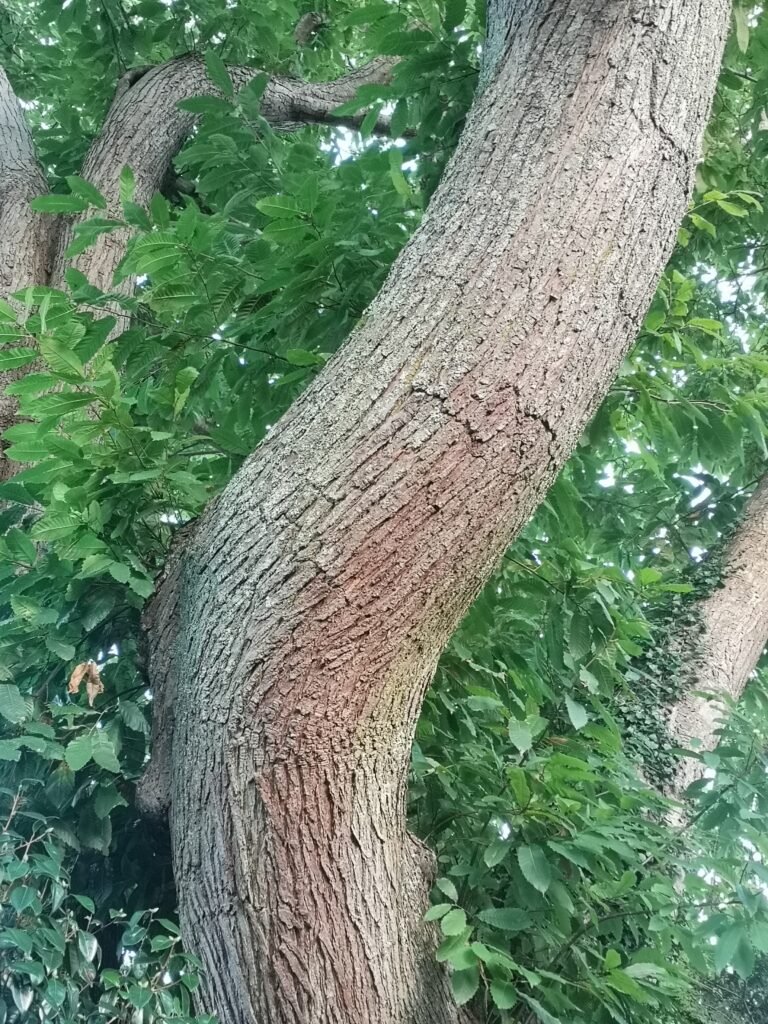
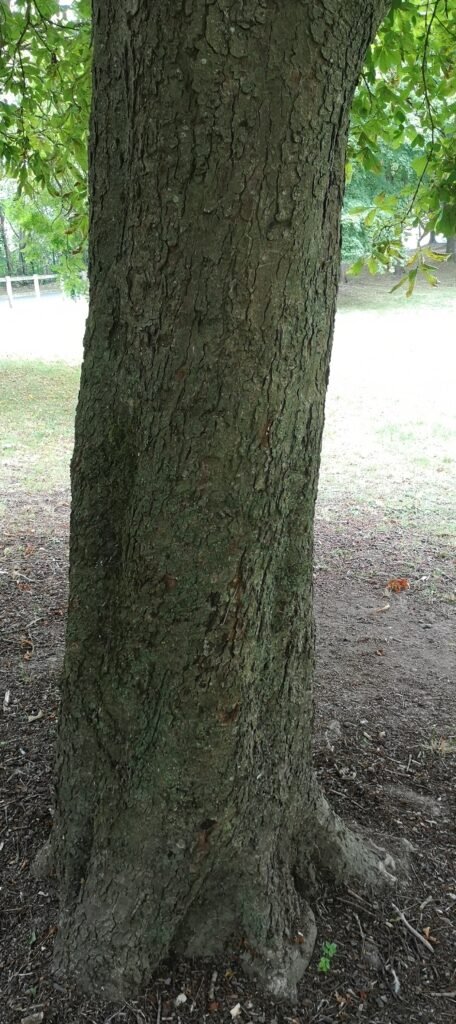
Both trees have smooth purplish-grey bark when they’re young. But sweets form vertical fissures that run deeper than the royal family tree, and horses develop scaly plates as they get older.
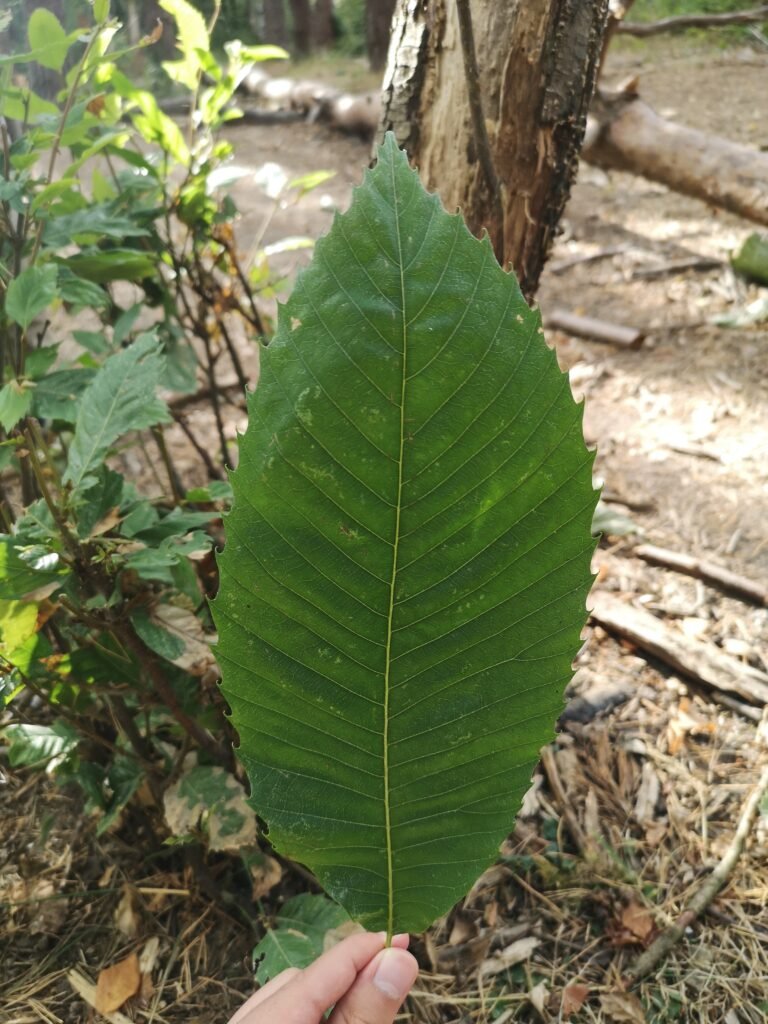
Even if you see them together when they’re young, one thing you can’t confuse is the leaves. Sweet chestnut leaves are massive and generally…leaf-shaped.
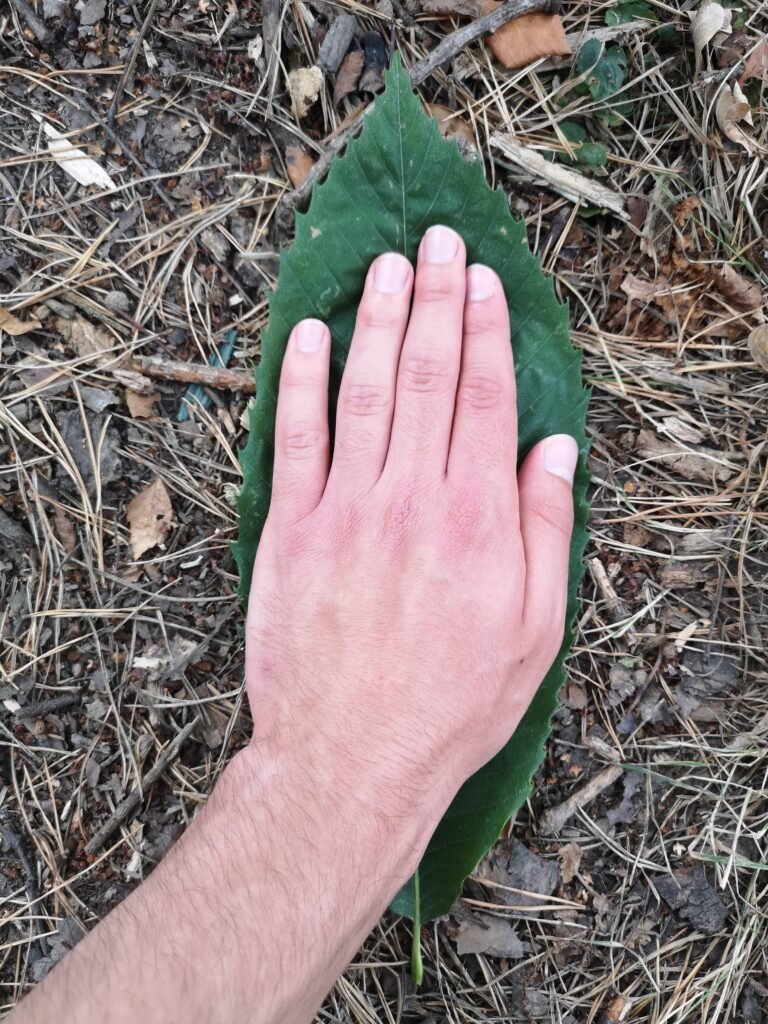
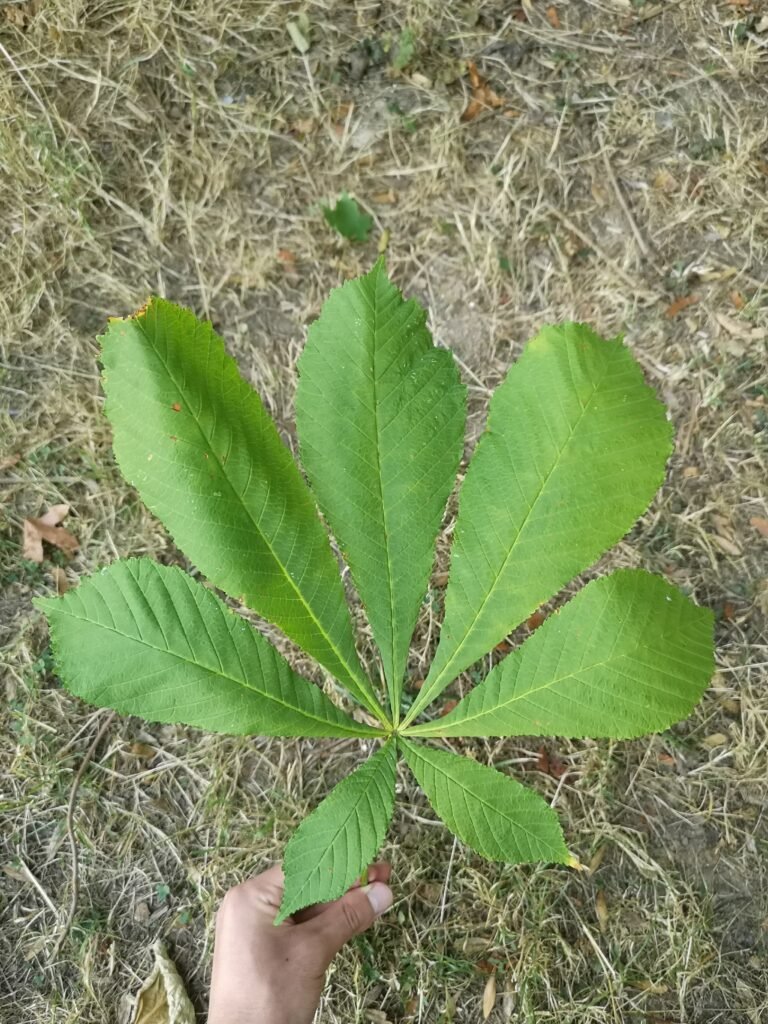
They have serrations along the edges (like a saw) that sometimes curl slightly. Horse chestnut trees have “palmate” or hand-shaped leaves that are made up of 5–7 leaflets. Each of these leaflets is sorta shaped like a cartoon feather.
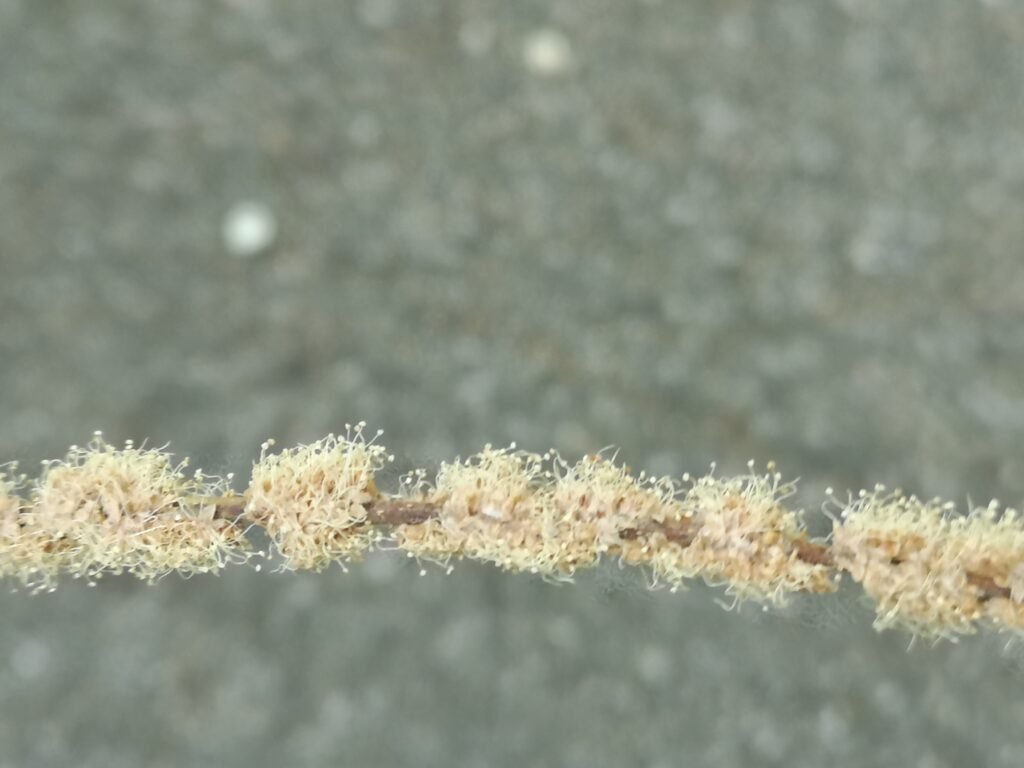
I haven’t taken any photos of horse chestnut flowers, but I have of sweet chestnut since they’re much harder to miss. They’re these fuzzy yellowish catkins as long as a Slender Man’s fingers. They hold male and female flowers.
Here’s a zoomed-in shot of said flowers:
Another quirk is their smell — they smell like a certain fluid that many guys will be familiar with. You know which one I mean.
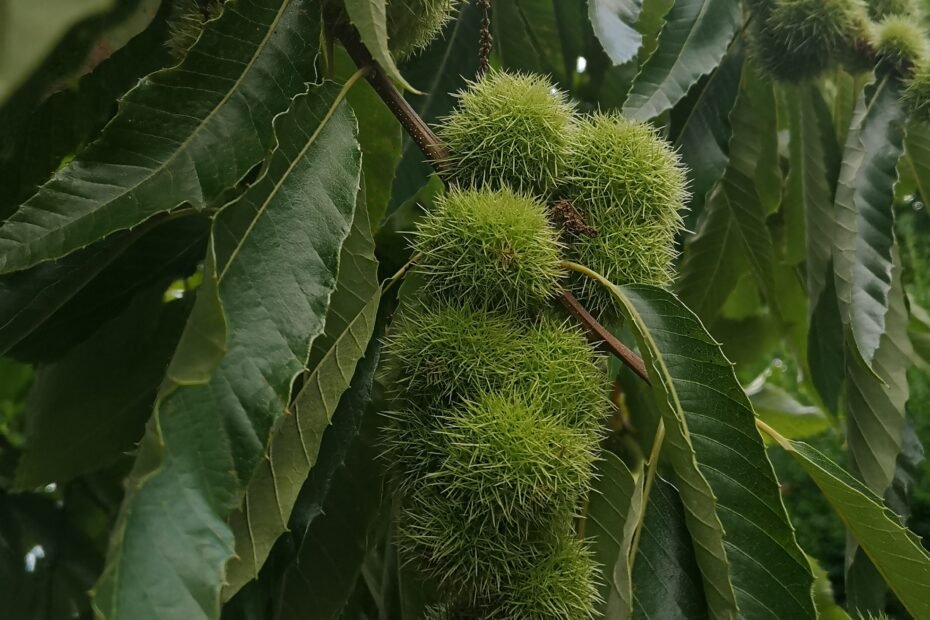
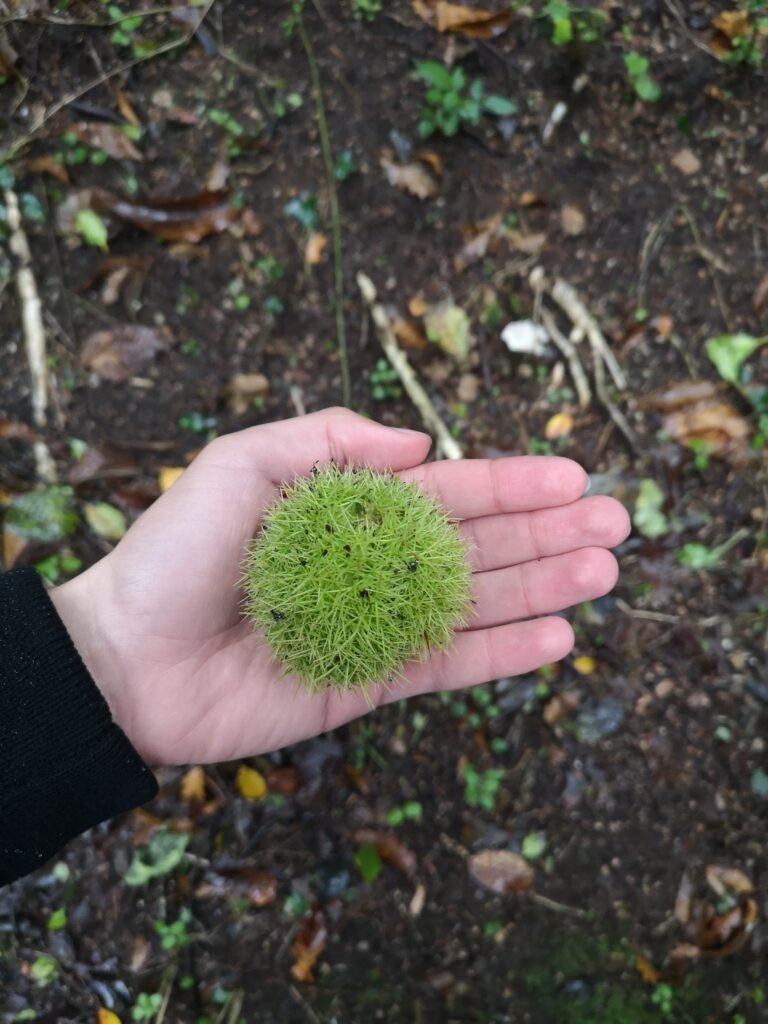
Speaking of nutting, what about the nuts? Sweet chestnuts grow in these casings called “burs” that have loads of needle-like spines. Conkers grow in leathery husks that have fewer, thorn-like spines.
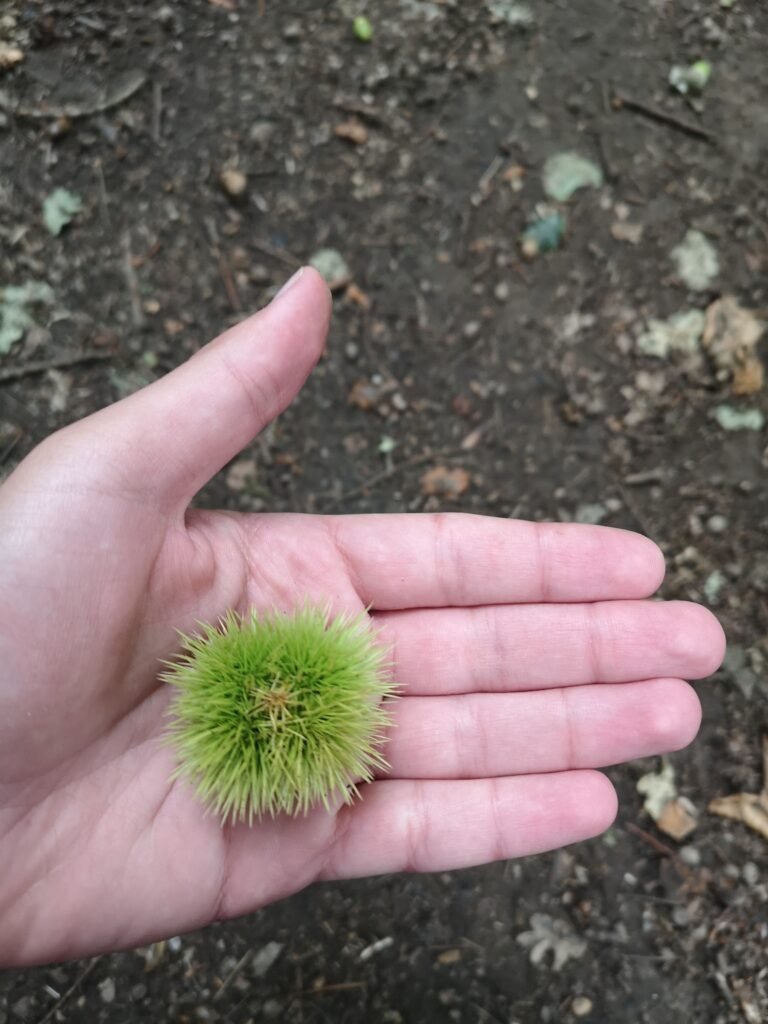
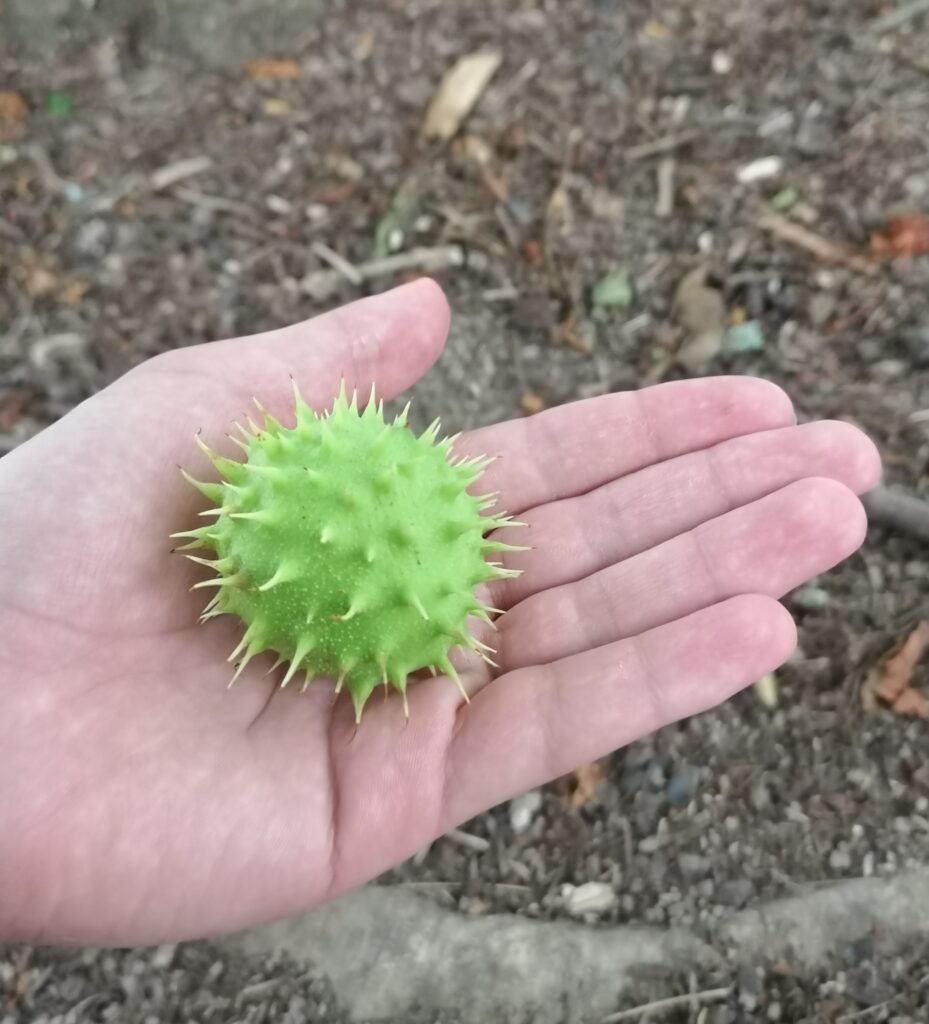
Both are green, both are spiky. One looks more like the Grinch’s balls.
The chestnuts themselves look similar too. Similar sorta mahogany brown colour. But there’s one little thing you can check to not poison yourself: sweet chestnuts always have a hairy point or tassel.
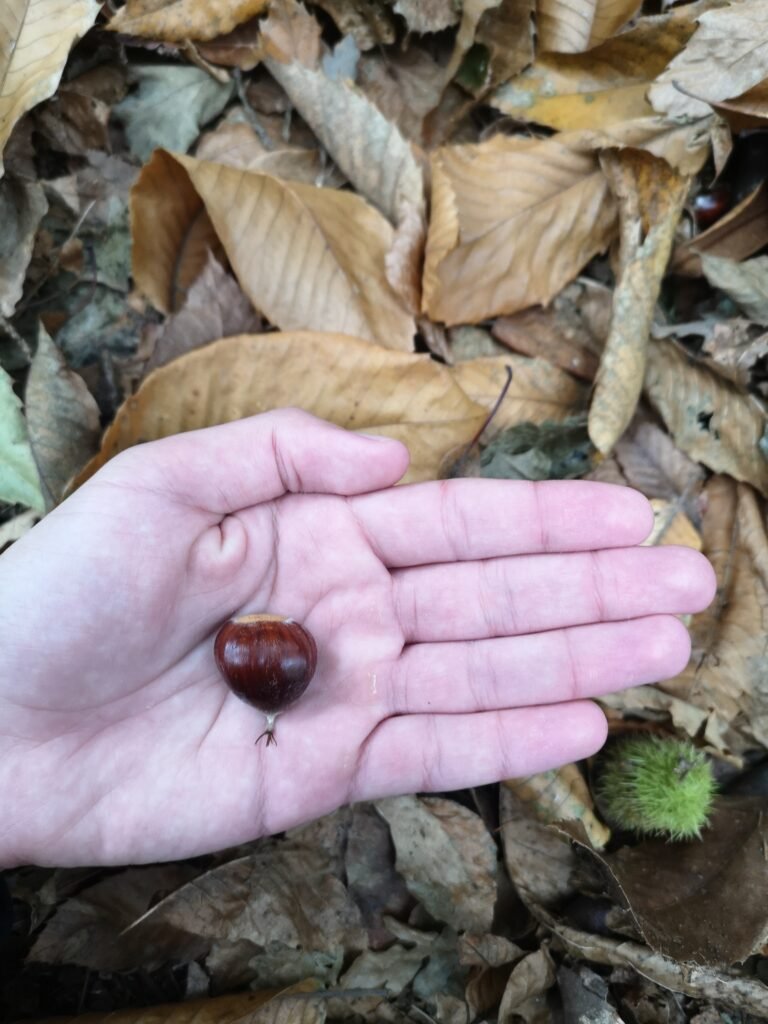
This is an underdeveloped sweet chestnut, but you can still see the long tassel:
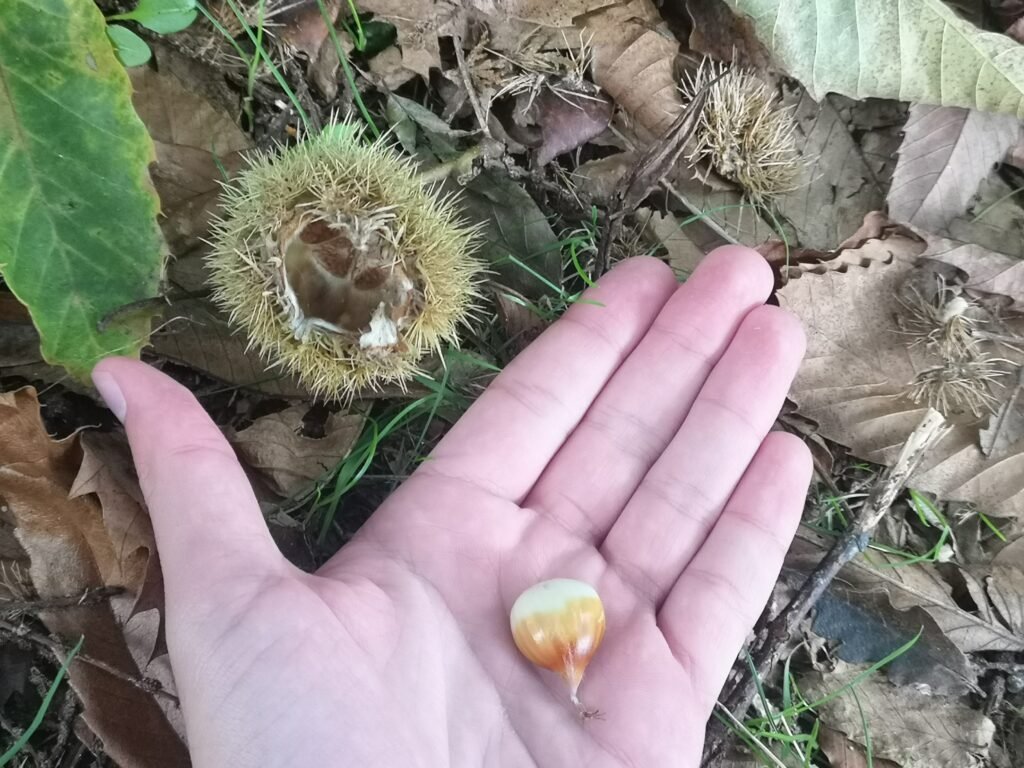
Meanwhile, Conkers are completely round and smooth with no points or tassels. You could say they have less personality.
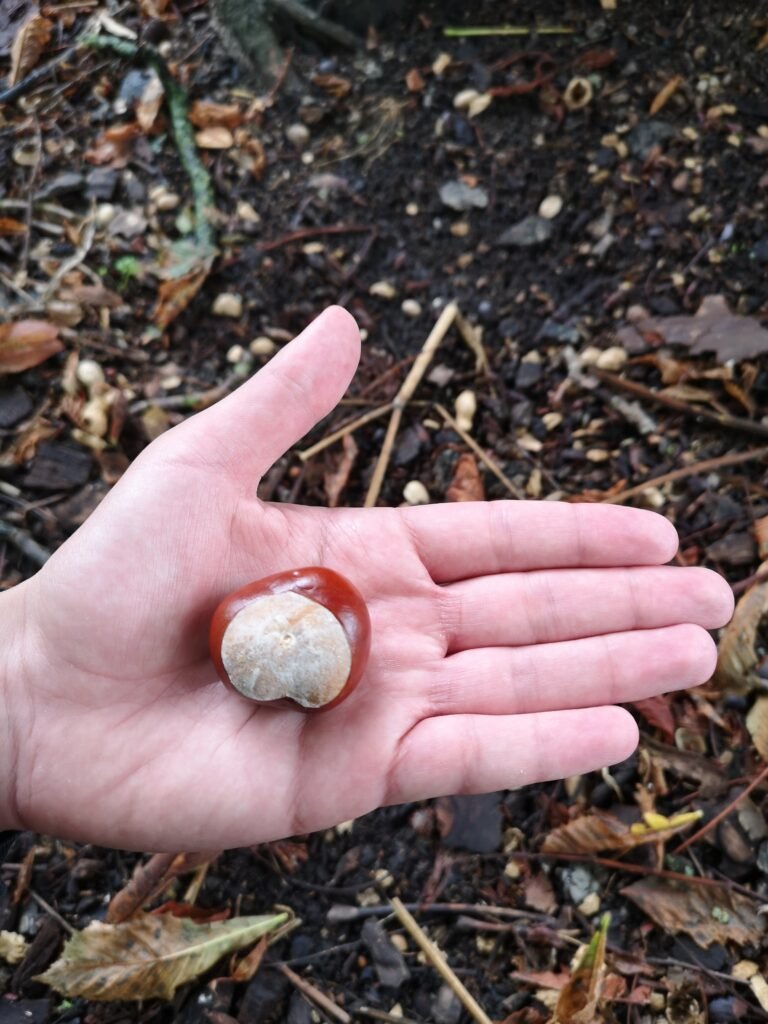
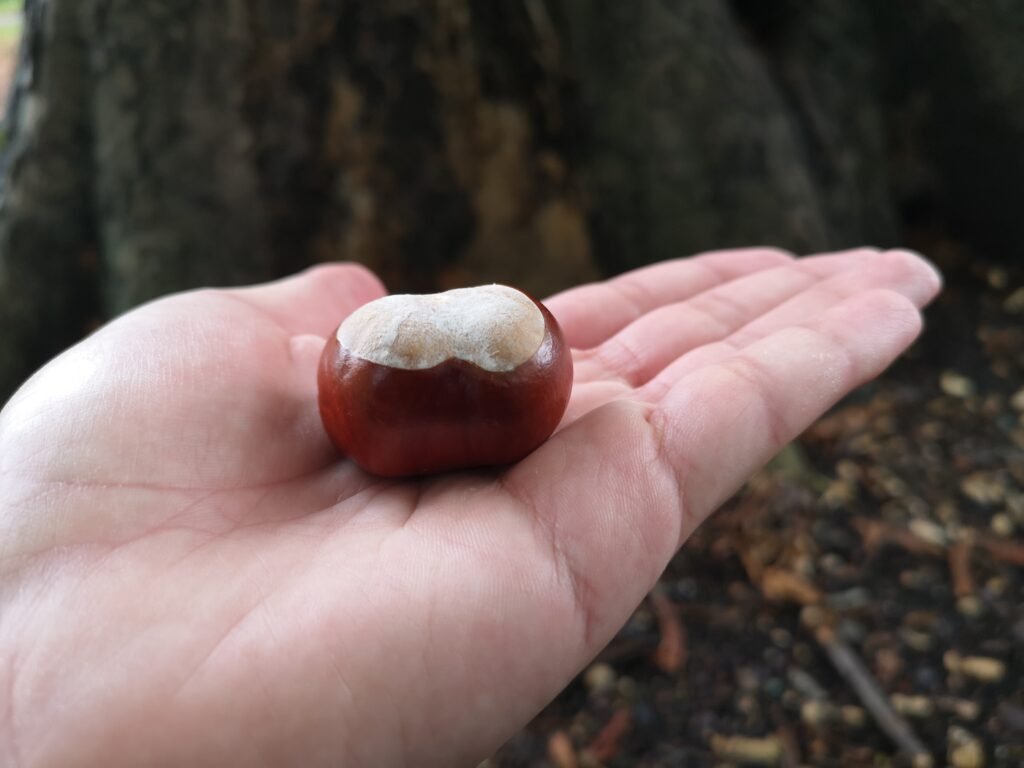
Actually, that’s wrong. Their personality is toxic. Remember when I said one type is edible and the other isn’t? The truth is all parts of a horse chestnut tree are poisonous; the conkers are the biggest concern.
So when you go looking for wild chestnuts, make sure to check for that tassel. Nature likes to test the ignorant.
Oh, and make sure you’re wearing protection on your head. If you’re standing under a sweet chestnut tree and there are burs dropping everywhere, they could drop on you. And if one of those spiky burs falls 50 feet and lands on your head, you’re not gonna be having a good day.
Look for burs that are already on the ground and have brownish husks splitting open: that’s how you know they’re ripe. Then you should see the chestnuts crammed together inside like a bus in Mumbai.
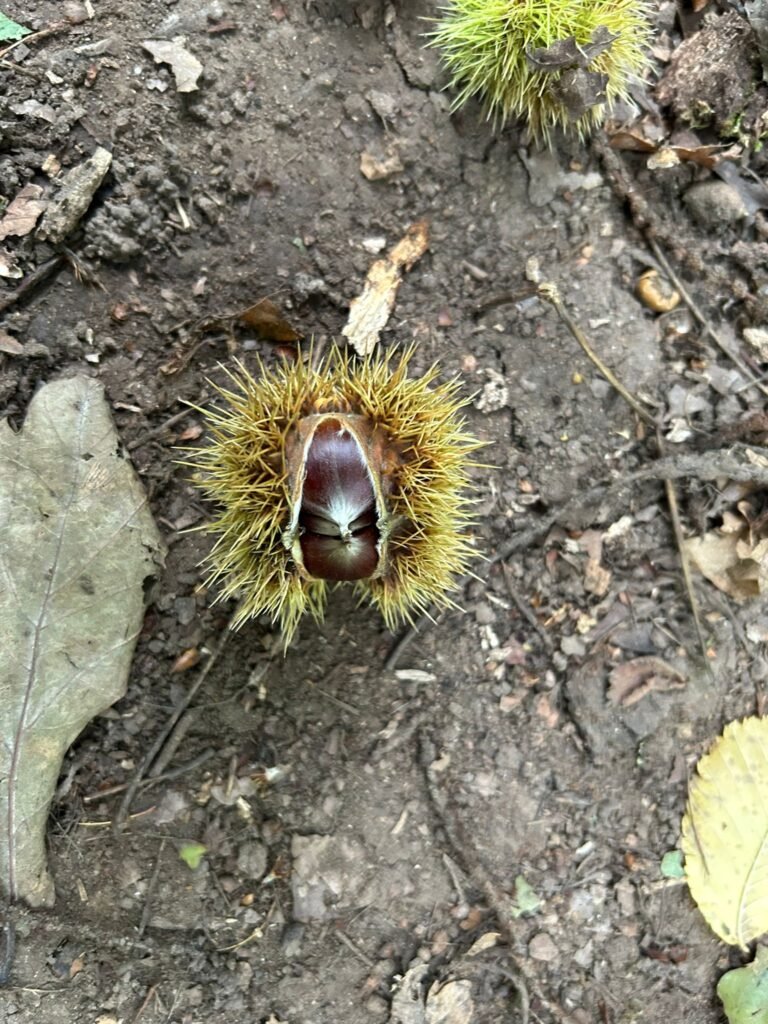
If you do find them, break the bur apart and inspect them like they’re a Spartan baby. They should be all brown, glossy, round and firm; not soft, wrinkly, full of holes or white in the lower part. I will say that wild sweet chestnuts can be smaller than the ones you buy in the shop.
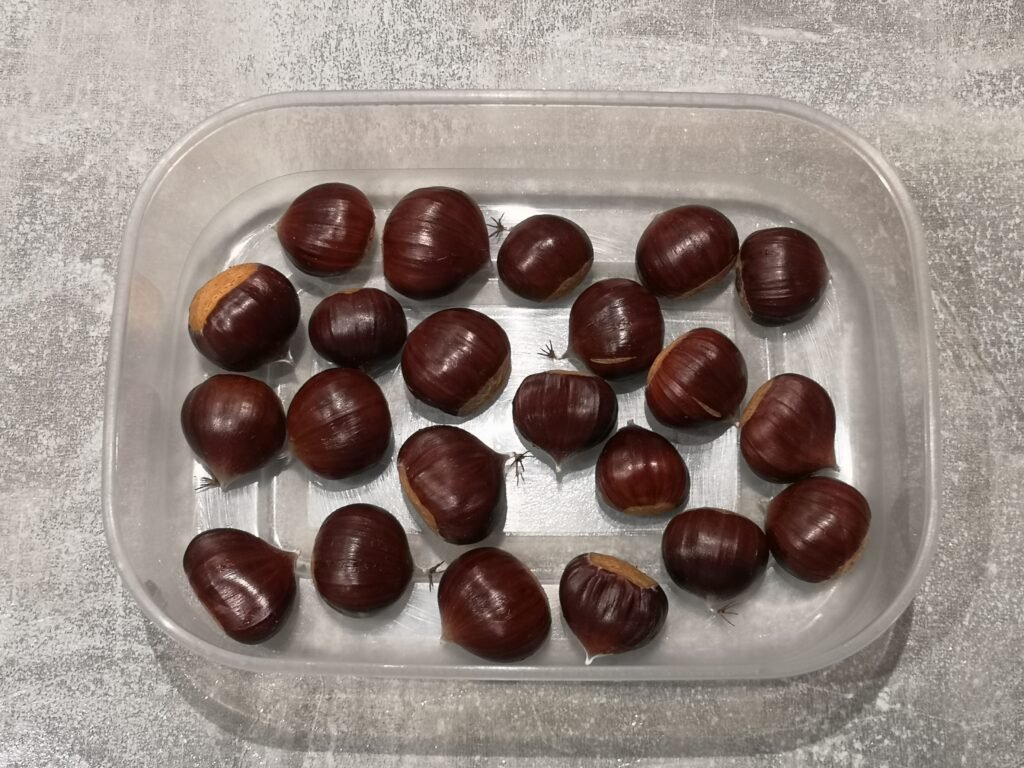
Pro tip: cut a shallow cross over the shell of each chestnut or they will blow up in your oven.
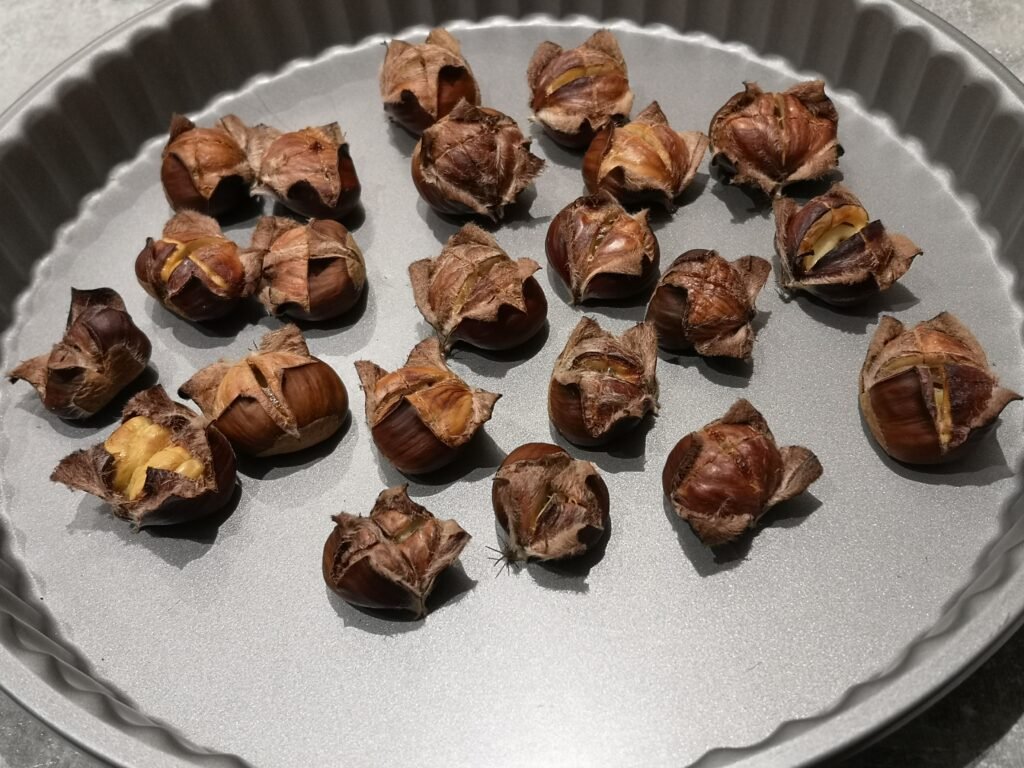
Hopefully you found this post somewhat useful and learnt how not to poison yourself.
I’m sorry I didn’t upload a post last week. I was too busy dying instead of writing. I caught COVID like the fifth time in total now and I’ve been fighting it for nine days straight. 4/10, would maybe catch again.
Next time some bulls*** like this happens, I’m gonna be making an announcement on the blog. Because communication is key.
I hope you guys liked the post. Link and share or the trees will nut on you. See you in the next one. Stay straying!